Forest Service proposal to rescind the roadless rule could affect Southwest Virginia
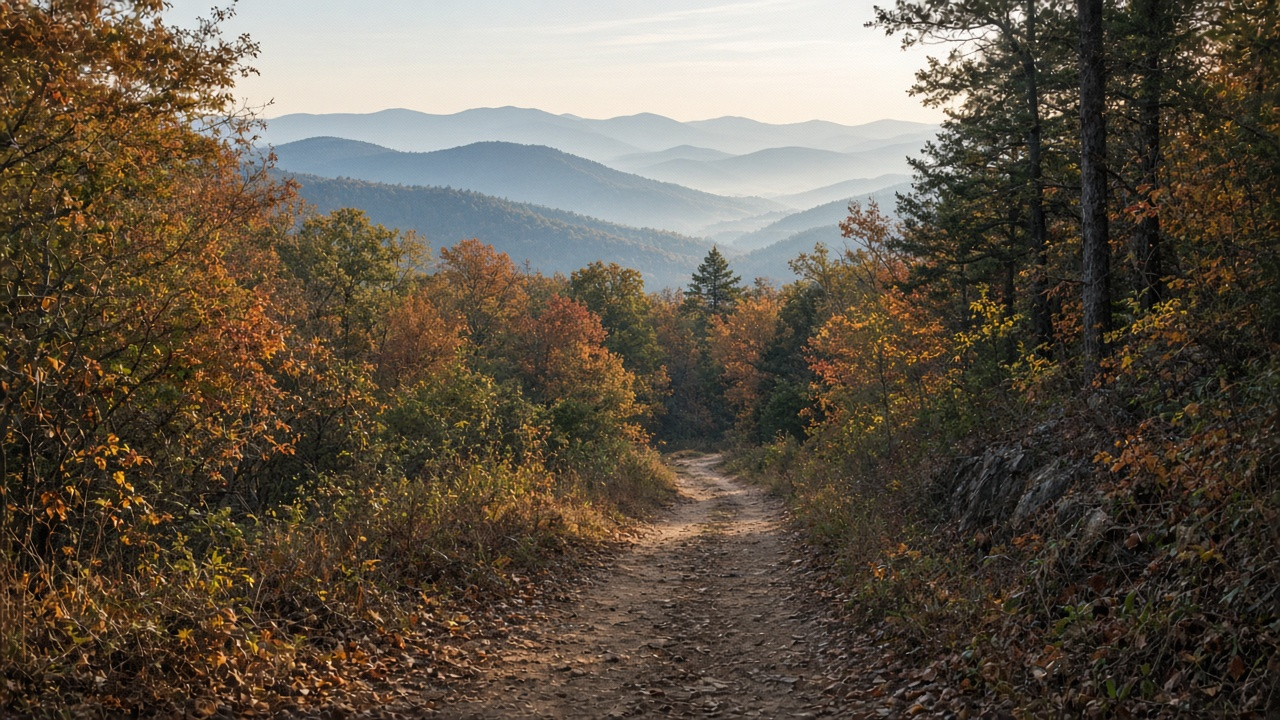
The U.S. Forest Service has proposed rescinding a longstanding protection known as the roadless rule, a change that could affect large tracts of national forest land in Southwest Virginia, Cardinal News reported Nov. 10.
The rule prevents logging, roadbuilding and other development on tracts of public land designated as inventoried roadless areas. It preserves 59 million acres of national forest land across the country, according to the report by Siena Duncan. The Forest Service filed the proposal over the summer. The public comment period closed in early October and drew more than 1 million submissions, with a Sierra Club analysis saying the vast majority supported keeping the rule. The agency still must review those comments and produce a finalized environmental impact report.
About a fifth of Jefferson National Forest’s lands are roadless areas. The forest’s largest roadless tract, the Bear Creek area, covers more than 18,000 acres across Walker Mountain, Brushy Mountain and Little Brushy Mountain in Wythe and Smyth counties, with the Appalachian Trail running through it. Other large tracts include Chestnut Mountain in Pulaski County and the Broad Run Mountain ridge system north of Roanoke. A 750-acre tract called the Lewis Fork Addition, near Grayson Highlands, is a roadless area where brook trout breed. George Washington National Forest, managed jointly with Jefferson, is about a quarter roadless.
Local advocates say the areas help protect endangered species habitat, drinking water and tourism from hiking, hunting and fishing. Opponents say rescinding the rule would bring more logging business and better wildfire management.
Agriculture Secretary Brooke Rollins has said brush buildup in roadless areas contributes to wildfires and that the Forest Service should be able to build roads to reach those places and bring in equipment. Republican governors in western states such as Utah, Montana and Wyoming have supported rescission. Virginia Gov. Abigail Spanberger opposed stripping the rule in early October, writing that it would harm Virginia’s wildlife corridors and drinking water supply. U.S. Rep. Morgan Griffith, R-Salem, said he supports rescinding the rule, arguing federal land ownership creates economic stress for rural communities in his district and that the Forest Service should be more open to timbering and recreational uses.
Wally Smith, a professor at the University of Virginia’s College at Wise and a conservation biologist, told Cardinal News the rollback seems like an attempt to promote logging on public lands. He said the Forest Service already manages some roadless areas with prescribed burns. “It certainly feels to me like the subtext of repealing the rule is really just to try and open up more resource extraction,” he said.
Ray Sullivan, a Virginia Loggers Association board member who lives in Washington County, said lifting the rule would likely not make much difference in Southwest Virginia because other regulations already make public-land logging difficult and markets for Appalachian hardwood are weak. “We’ve lost our markets,” he said. “No matter how easy you make it, how cheap you make that stuff, you’ve got nowhere to sell it.”
A Forest Service draft environmental impact report in August said rescinding the rule could bring a 4% to 10% increase in timber harvesting on public forest lands. The same report listed more than 300 threatened or endangered species that could be negatively affected, including five bat species found in Southwest Virginia roadless areas, the hellbender salamander, the rusty patched bumblebee, the yellowfin madtom and the Carolina flying squirrel in the Mount Rogers area. A cost-benefit analysis found a $10 million to $22 million increase in the economic value of timber harvesting and a $6 million loss in recreation benefits. It described increased wildfire risk from more roads and human activity as a “particular concern,” while also saying more roads would provide better access for wildfire mitigation.
Ellen Stuart-Haentjens, executive director of the Virginia Wilderness Committee, said the majority of brook trout in Virginia breed in roadless areas and that her organization and others are prepared to take legal action if the rescission goes through. Forest Service spokesperson Julie Clark said Congressionally designated wilderness overlapping roadless areas would remain protected, and that any changes to the Jefferson National Forest’s management plan would be developed with public involvement. About a third of the Bear Creek tract is a national scenic area designated by Congress; the remaining 12,771 acres do not have those legislative protections, Cardinal News reported.
Washington County is a county in Southwest Virginia. Its county seat is Abingdon.
Email Abigail Spanberger at:
abigail.spanberger@governor.virginia.gov
Pulaski County is a county in the New River Valley. Its county seat is Pulaski.
Roanoke is an independent city in the Roanoke Valley.
Salem is an independent city in the Roanoke Valley.
Pulaski County Roanoke Salem Stuart Washington Washington County Wise 6 million Abigail Spanberger Action advocates agency Agriculture Analysis Appalachian Trail area areas association benefits better Business Cardinal News City of Roanoke Clark closed College comments committee communities concern Congress conservation counties creates described development difference district environmental environmental impact Executive Director fishing five George Washington George Washington National Forest Grayson Griffith hiking impact Increase Jefferson National Forest keeping Land legal Loss Member Million Morgan Morgan Griffith National Near North opposed ownership proposal Protect Protections Public public comment Pulaski Pulaski County really regulations Republican Roadless Rule Roanoke Salem sell service Smith Southwest Virginia states summer supports System Trail trout U.S. Forest Service university University of Virginia value Virginia Washington County Water water supply wildlife
All Virginia News is published by ALL VIRGINIA NEWS, LLC. How we're funded · Corrections · Ethics
