Virginia Senate Advances Bill for Regulated Adult-Use Cannabis Market
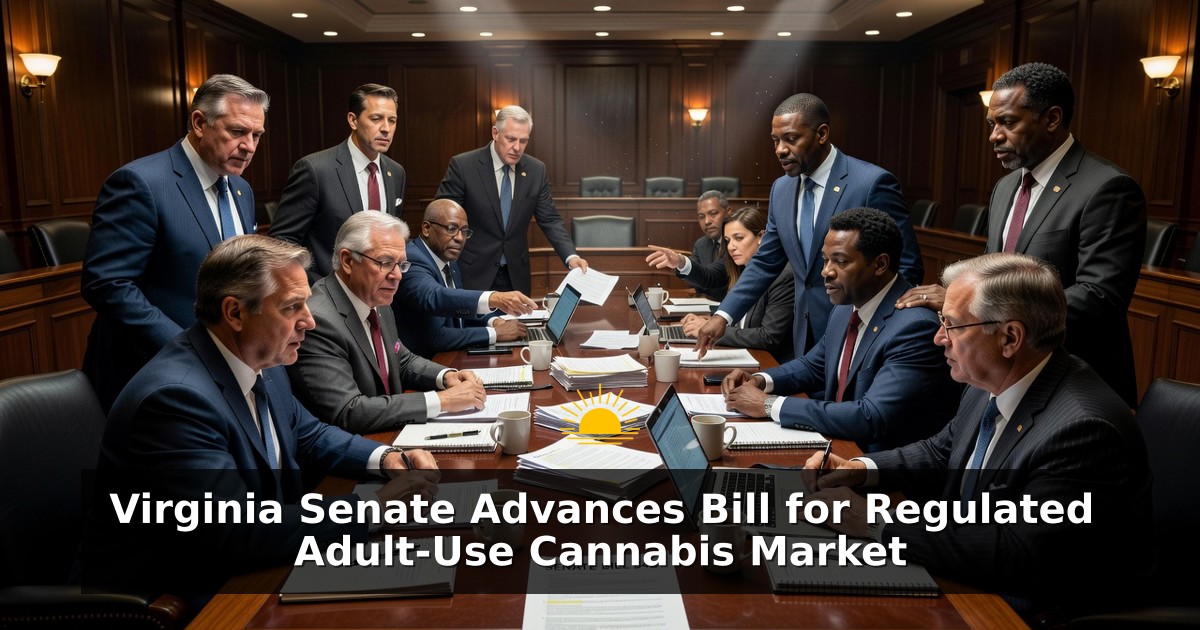
Virginia lawmakers took a significant step toward establishing a regulated market for recreational cannabis with the advancement of Senate Bill 542. The measure seeks to create a comprehensive framework for adult-use cannabis sales and oversight across the Commonwealth. A substitute version of the bill incorporates seven technical amendments designed to refine the proposed regulations. The legislation was reported favorably, indicating support within the relevant committee for moving the proposal to the next stage of consideration.
The core purpose of Senate Bill 542 centers on building a structured system for the production, distribution, and retail sale of cannabis products to adults. Officials described the substitute as making precise adjustments throughout the report to improve clarity and operational details. These changes address technical aspects of implementation without altering the fundamental goal of regulated adult-use access. Supporters of the framework emphasize the need for clear rules to guide any future market operations in Virginia.
Background on Cannabis Policy in Virginia
Virginia has previously established a medical cannabis program that allows qualified patients to obtain products through registered dispensaries. Lawmakers have debated expanding access to recreational use for several sessions as public attitudes and neighboring state policies evolved. Senate Bill 542 represents an effort to outline licensing, taxation, and safety standards should adult-use sales become authorized. The bill focuses on creating the administrative structure rather than immediately authorizing sales on a specific date.
Technical refinements in the substitute version aim to align various sections of the proposed code for consistency. Committee members reviewed the amendments as part of the standard process for complex regulatory bills. The favorable report allows the measure to proceed for further debate and potential amendments on the floor. Observers note that such frameworks typically address issues ranging from product testing to local government opt-out provisions.
Economic Considerations for a Potential Market
A regulated adult-use cannabis market could generate new tax revenue streams for state and local budgets if fully implemented. Projections in similar states have included funds directed toward education, public health, and infrastructure priorities. Virginia officials would need to determine licensing fees, excise taxes, and allocation formulas as part of any final structure. The bill’s framework approach provides a foundation for those fiscal decisions to be made through subsequent legislation or regulatory processes.
Business opportunities under a new system might include cultivation facilities, processing operations, and retail outlets subject to strict oversight. Existing medical cannabis operators could face pathways for transition or expansion depending on final rules. Workforce development and training programs often accompany market launches to ensure compliance with safety and quality standards. Lawmakers continue to weigh these economic factors alongside public health and community impact concerns.
Regulatory and Social Implications
Establishing clear regulations is intended to shift activity away from unregulated markets and into a system with age verification, product labeling, and laboratory testing requirements. Public safety provisions commonly include restrictions on advertising, packaging designed to prevent accidental consumption by children, and limits on potency or serving sizes. The seven technical amendments in the substitute help fine-tune these protective elements within the overall report. Community input and ongoing oversight remain essential components of any durable regulatory structure.
Local governments in Virginia traditionally retain authority over zoning and certain business permits, which could influence where cannabis-related facilities locate. The framework bill sets the stage for balancing statewide standards with locality preferences. Education campaigns about responsible use and impaired driving prevention frequently accompany market openings in other jurisdictions. Virginia’s approach through Senate Bill 542 prioritizes building the administrative foundation first.
Legislative Process and Next Steps
After receiving a favorable report, Senate Bill 542 advances for additional scrutiny by the full Senate and potentially the House of Delegates. Technical substitutes are common for intricate policy proposals to correct drafting issues and improve workability. Lawmakers will examine how the framework interacts with existing medical cannabis statutes and criminal code provisions. Further amendments remain possible as the bill moves through remaining stages of the session.
The discussion around regulated adult-use cannabis continues to reflect broader conversations about criminal justice, economic development, and public health in the Commonwealth. Senate Bill 542’s progress signals sustained legislative interest in defining clear rules rather than leaving the issue unaddressed. Stakeholders from various sectors are expected to monitor the bill’s path and provide input on implementation details. Any final enactment would require careful coordination among state agencies tasked with licensing and enforcement.
Closing Perspective on the Framework Effort
Senate Bill 542 outlines a pathway for Virginia to develop a controlled adult-use cannabis market through deliberate regulatory design. The inclusion of seven technical changes demonstrates attention to precision in crafting the underlying statutes. A favorable committee report keeps the proposal alive for continued deliberation among elected representatives. The outcome will depend on additional votes, potential refinements, and alignment with the Commonwealth’s broader policy goals.
As the legislative process unfolds, the focus remains on constructing workable rules that address safety, revenue, and access in a balanced manner. Virginia’s experience with medical cannabis provides a reference point for scaling oversight systems. The current bill concentrates on establishing the necessary framework so that future decisions can rest on a solid statutory base. Continued neutral examination of the facts will guide how the Commonwealth approaches this evolving area of law.
adult use bill passage cannabis industry cannabis market committee meeting drug policy economic impact legalization Legislation market regulation policy change recreational use regulation regulatory framework Senate Bill 542 Senate committee social implications substitute bill technical changes vote