Equal Shared Parenting Becomes Common Norm for Separating Virginia Families
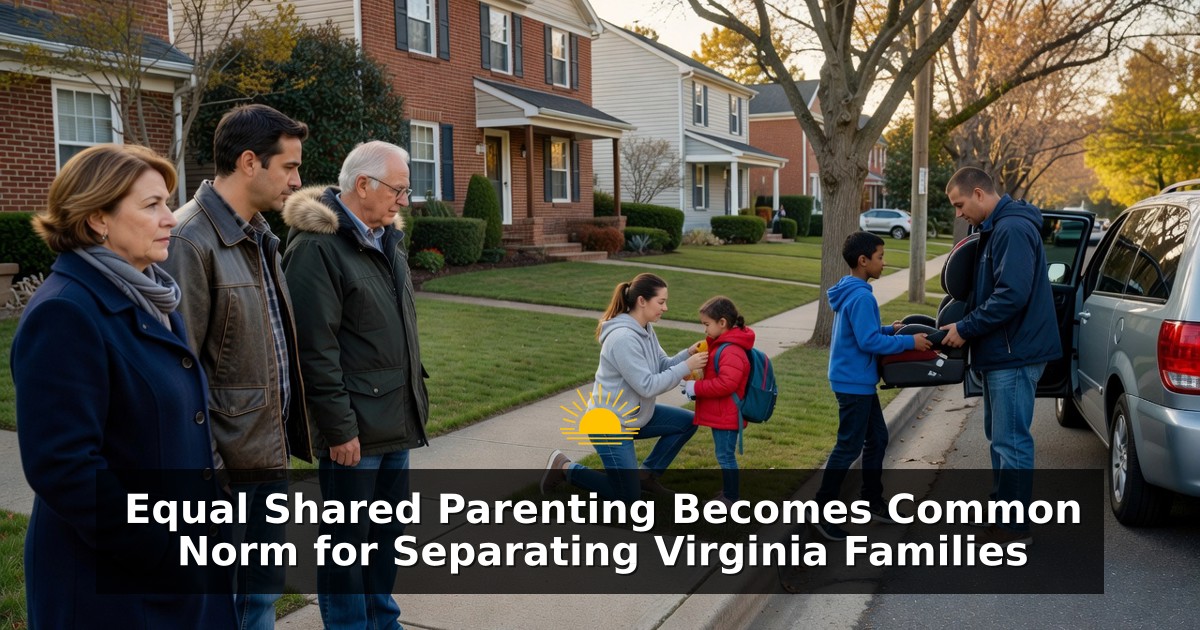
Equal shared parenting arrangements, commonly known as 50/50 schedules, have emerged as the most frequent approach for young families in Virginia when parents separate or live apart. Advocates long involved in promoting balanced custody have documented a substantial positive change over the past decade. What once drew skepticism now appears routine to many younger parents raising children across two households. This evolution tracks broader adjustments in expectations around parental roles after relationship breakdowns.
Observers familiar with custody trends report that discussions of equal time once met resistance. Roughly ten to twelve years ago, suggestions that children benefit from substantial involvement by both parents, or that fathers should be presumed capable of handling half the parenting time, often prompted surprise or dismissal. Those reactions have largely faded among newer generations of parents. The shift reflects accumulated experience, research on child outcomes, and changing social attitudes toward caregiving responsibilities.
Historical Context of Custody Practices
For much of the late twentieth century, sole custody awards to one parent, most often the mother, dominated family court outcomes across the United States, including Virginia. Courts frequently defaulted to arrangements that limited the non-custodial parent to alternating weekends and limited holidays. Critics of that model argued it reduced meaningful daily involvement by one parent and could weaken parent-child bonds over time. Legislative and judicial attention gradually turned toward maximizing contact with both fit parents when safety was not at issue.
Virginia statutes direct judges to consider the best interests of the child and to support frequent and continuing contact with each parent under appropriate circumstances. While the Commonwealth has not adopted an automatic legal presumption of equal time in every case, practical outcomes have moved closer to shared schedules in many uncontested and negotiated matters. Family law practitioners note that mediated agreements increasingly feature week-on/week-off or similar balanced calendars, especially when both parents live within reasonable distance of the child’s school and activities.
National data compiled by research organizations tracking divorce and custody patterns show rising rates of joint physical custody over the last fifteen years. Younger cohorts entering family formation and dissolution appear more likely to view equal parenting time as the baseline expectation rather than an exceptional request. This generational difference surfaces repeatedly in conversations with parents who separated in their twenties or early thirties.
Observations from Advocates and Young Parents
Individuals active in the shared parenting movement describe a clear before-and-after contrast. Earlier outreach efforts required extensive explanation of why children might thrive with substantial time in each household. Books, media appearances, and public discussions were necessary to introduce the concept to skeptical audiences. Today those same advocates encounter young parents who treat equal schedules as ordinary and express mild disbelief that the topic once needed dedicated advocacy literature.
One recurring comment from newer parents is that nearly everyone in their peer group already follows some version of a balanced calendar. The idea of needing to argue for a father’s regular presence or for roughly equal overnights strikes many of them as outdated. Such reactions illustrate how quickly cultural defaults can change once a critical mass of families adopts a different practice and reports workable results.
These developments sit within a wider set of conversations about boys, men, and family roles. Participants in related discussions often note that progress on parenting time aligns with other efforts to support male engagement in caregiving and education. At the same time, they emphasize that momentum remains uneven across different communities and age groups.
Educational and Cultural Gaps That Persist
Despite the visible normalization of 50/50 arrangements among many young Virginia families, significant educational and cultural gaps continue to require attention. Not every separating couple begins with the same information about child development research or the logistics of shared calendars. Some parents still encounter outdated assumptions in extended family circles, workplaces, or professional advice that lag behind current practice.
Training for professionals who interact with separating families—including mediators, counselors, and court personnel—varies in how thoroughly it addresses contemporary shared parenting models. Community education efforts aim to close those gaps by presenting evidence on outcomes associated with meaningful involvement by both parents when conflict remains manageable and safety is assured. Continued public conversation helps ensure that newer norms reach families who might otherwise default to older patterns simply because they lack exposure to alternatives.
Geographic and socioeconomic factors also influence how readily equal schedules take hold. Parents with flexible work arrangements, reliable transportation, and nearby housing options find 50/50 calendars easier to sustain. Families facing longer distances, rigid job schedules, or limited resources may need additional support structures to approximate balanced time. Addressing those practical barriers forms part of the remaining work identified by people tracking the issue.
Broader Implications for Family Policy and Practice
The rise of equal parenting time as a common schedule carries implications for schools, employers, and community organizations that interact with children of separated parents. Educators increasingly accommodate dual-household communication and alternating residential weeks. Employers see more requests for scheduling flexibility from both mothers and fathers who share physical custody. These adjustments reflect the reality that caregiving responsibilities are distributed more evenly in a growing share of post-separation families.
Child-focused researchers continue to examine conditions under which shared arrangements produce the strongest outcomes. Low inter-parental conflict, consistent routines, and cooperative communication appear repeatedly as important supporting factors. When those elements are present, many studies associate substantial time with each parent with positive indicators in academic performance, emotional adjustment, and long-term parent-child relationships. The research base informs ongoing refinement of guidance offered to families.
In Virginia, the trend toward normalized 50/50 parenting among younger separating couples illustrates how social practice can evolve ahead of or alongside formal legal change. Advocates who once spent considerable energy establishing basic acceptance of the concept now find themselves addressing finer points of implementation and remaining disparities. The overall direction is described as constructive, yet participants stress that educational outreach and cultural reinforcement remain necessary to extend the benefits more evenly.
Families navigating separation today operate in a different environment from that of a decade earlier. Equal shared parenting has moved from contested proposal to everyday expectation for a sizable portion of young parents. Sustaining and broadening that shift will depend on continued attention to information gaps, practical supports, and consistent focus on children’s needs across varied household circumstances.
50/50 parenting balance child custody child-rearing cultural change custody arrangements Education equal parenting Evolving family gender roles Norm norms Parental Rights parenting norms responsibility social change society Virginia young families