Virginia Lawmakers Press for Tighter Oversight of Data Center Growth
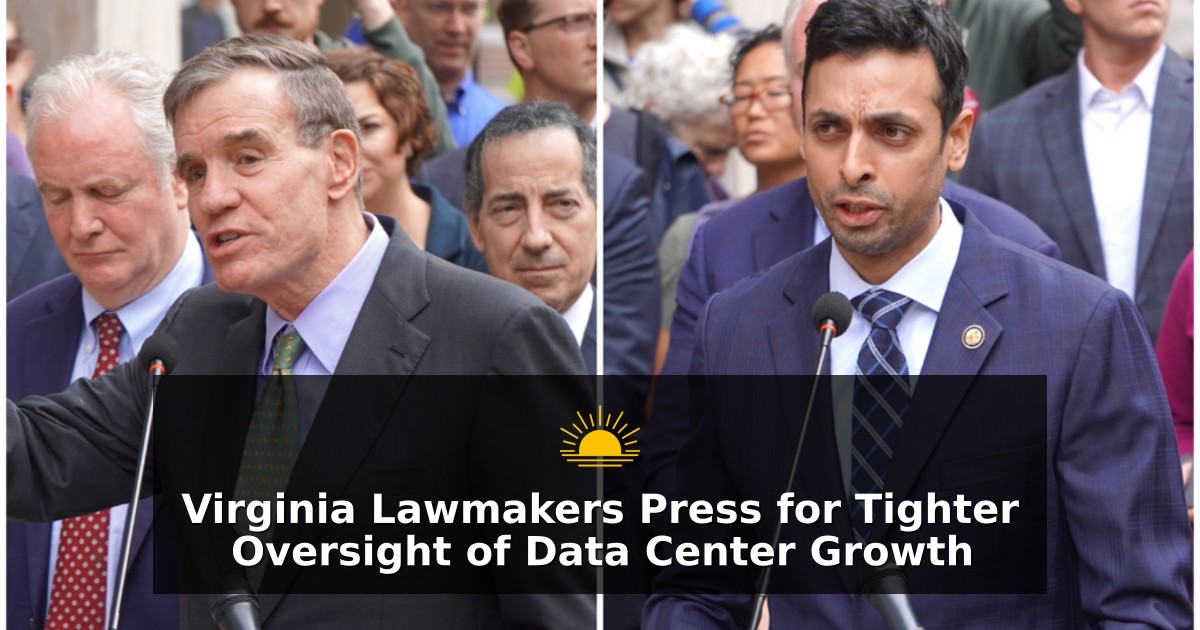
Virginia lawmakers are preparing a broader conversation about how the state should manage the rapid expansion of data centers, an industry that has become one of the largest new sources of investment and one of the most contentious demands on local infrastructure.
The issue has moved beyond individual zoning decisions. Communities in Northern Virginia and other parts of the commonwealth are weighing new campuses against questions about electric bills, water consumption, road construction, noise and the long-term value of tax incentives. A package of proposals described by federal lawmakers from Virginia would put those concerns into a more coordinated policy framework.
A statewide question with local consequencesCritics do not dispute the economic activity, but they question whether residents are receiving enough information before projects are approved. They want a clearer accounting of who pays for new power infrastructure and whether customers will absorb costs when demand rises. They also want enforceable limits on noise and stronger protections for neighborhoods near industrial sites.
Electricity is at the center
The largest unresolved question is electricity. Regional grid planners expect data center demand to grow rapidly, and utilities are planning additional generation and transmission to keep pace. That construction can take years, while a proposed campus may be approved in a matter of months.
A sudden increase in demand can affect more than a single county. When utilities build facilities for a particular customer, regulators must decide whether the cost belongs to that customer, all ratepayers or a combination of both. Lawmakers are considering whether Virginia needs new rules requiring large users to make longer-term commitments before infrastructure is built.
Land-use questions are equally important. A data center may occupy a site once considered for homes, manufacturing or farmland. Residents want planning commissions and elected boards to compare those alternatives openly rather than treating a technology project as automatically beneficial.
The proposed federal approach would not eliminate local authority. Instead, it would encourage common reporting standards so residents in different regions can see similar information before hearings. That could make it easier to compare tax breaks, employment estimates and infrastructure commitments.
What happens next
The proposals are still at the discussion stage, and any federal legislation would have to compete with other priorities. Virginia legislators and local officials, however, are unlikely to wait for Washington to settle the question. Counties are already revising comprehensive plans and considering special review procedures for very large campuses.
For residents, the immediate test will be whether public meetings provide concrete answers rather than general promises. Data centers may remain an important part of Virginia's economy, but growth will be more durable if communities can see the costs, enforce the conditions and share in the benefits. The debate now is about building that accountability before the next wave of projects arrives.
This article is an original rewrite based on recent reporting by Virginia Mercury about Virginia lawmakers and data center regulation. It does not reproduce the source article's text.Those rules could also encourage campuses to operate more efficiently. Developers may be asked to use equipment that reduces peak demand, locate near existing substations or provide better forecasts of when their facilities will draw power. The goal would be to keep economic growth from creating surprise costs for families and small businesses.
Water, land and accountability
Power is not the only resource at stake. Cooling systems can use substantial amounts of water, especially during hot weather. Local officials are therefore asking developers to disclose expected water use and to explain how a project would affect public supplies during drought conditions.
Data centers house the computer equipment that supports cloud services, online business, artificial intelligence and everyday applications. Their buildings can cover hundreds of thousands of square feet, while the power needed to run and cool the equipment can rival the demand of a small town. New facilities also require substations, transmission lines and large industrial sites.
Supporters say the construction boom brings skilled jobs, construction contracts and tax revenue. Local governments can use that revenue for schools, public safety and transportation. The industry has also helped Virginia maintain its status as a major technology hub, attracting companies that might otherwise build elsewhere.
Virginia Artificial Intelligence Bills Data Data Center Data Centers Debate Drought economy Electric Electricity Families Grid Jobs Land Lawmakers Legislation Manufacturing Northern Virginia Policy Power Schools Technology Transportation Virginia Water