Wise County microreactor study nears finish as residents voice skepticism of nuclear power
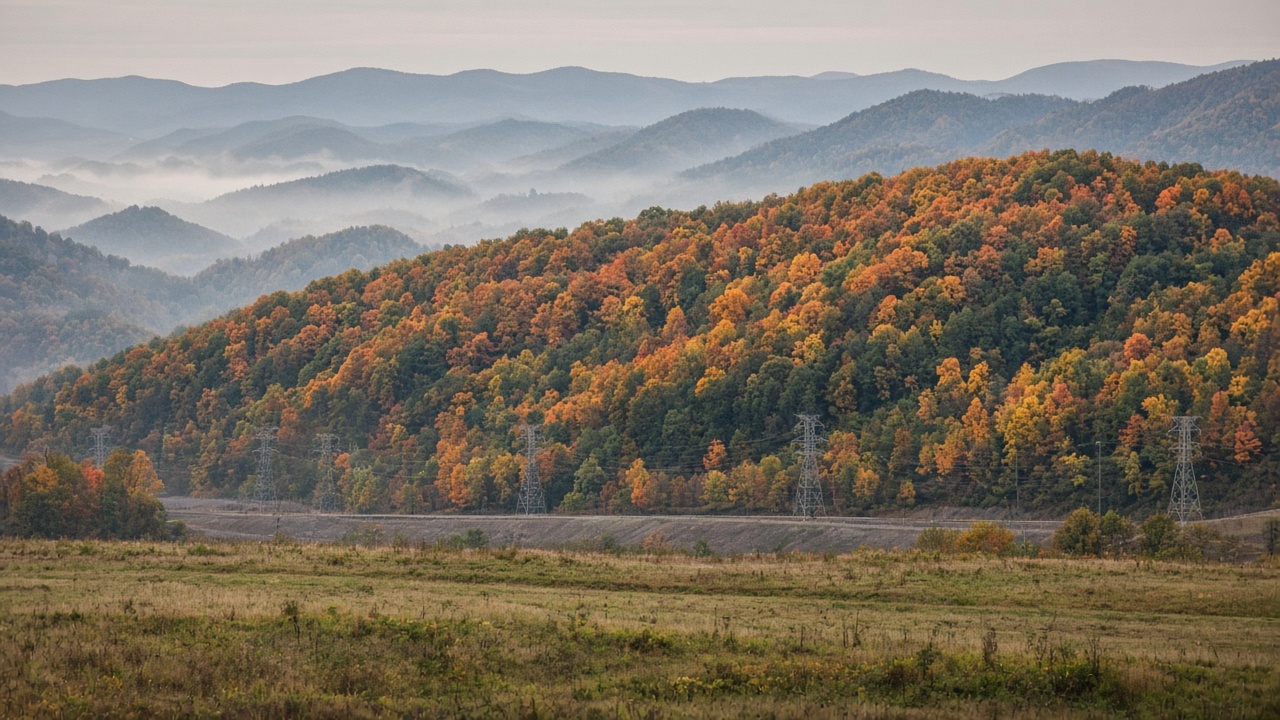
A study of whether Wise County could one day host a microreactor is nearly finished, and the public input gathered along the way shows deep skepticism of nuclear energy among residents who responded, officials said at a public meeting Thursday, Nov. 5, according to Cardinal News.
The feasibility study is funded by a $100,000 grant from the GO Virginia Region 1 Council and led by the Virginia Innovative Nuclear Hub. A final report is due in December and will be made public. Jeff Whitt, the hub's executive director, and Brian Falin, director of the Wise County Industrial Development Authority, reviewed the engagement results and previewed the report at the Inn at Wise, where about 25 people attended.
No site picked
Microreactors are compact nuclear reactors that could produce up to 20 megawatts of thermal energy; none has been built in the United States yet, Cardinal News reported. Falin and Whitt said the study has not examined a specific site, although the original funding application included identifying a prospective one, and four of the seven possible sites named in an earlier regional nuclear feasibility study were in Wise County.
Instead, the final report is expected to give the county guidance for future decisions on energy demand, siting, costs, economic impact and community compatibility, and to offer feedback on other kinds of new generation, including wind and solar.
"There was a big misconception that these types of projects were a lot further along," Falin said, according to Cardinal News. "These projects are not here. We are trying to prepare for the projects to be here."
What residents said
Community feedback came from two input sessions in May, attended by about 60 people in total, and two surveys that drew almost 500 responses. Whitt said residents' top priorities for any future nuclear development were "safety and well-being" and "governance and public trust."
About half of respondents said they do not support nuclear energy, a share that held steady across the outreach phases, Whitt said. Support was somewhat higher for new energy generation in general, but there was very little support for data centers as a user of any future power. Jobs, economic development, tax revenue and more affordable energy were the most cited potential benefits. Protecting local water, more public involvement and a satisfactory nuclear waste plan could change some opponents' minds, the surveys found.
Falin said the county's mountainous terrain and mining history rule out large areas for nuclear development, that any new power would most likely be exported because local demand is limited, and that future projects would not be funded with county dollars.
Trust and transparency
Survey responses showed low trust in local government, state government and technology developers. Wally Smith, a biology professor at the University of Virginia's College at Wise who serves on the study's advisory committee, told Cardinal News the earlier regional nuclear rollout "was really done backwards" and that officials are "now doing what should have been done four years ago."
Sharon Fisher, president of the Clinch Coalition, an environmental group, said she was surprised by the detail on community engagement but called it "a damning report for nuclear energy and data centers in Wise County."
Wise County is a county in Southwest Virginia. Its county seat is Wise.
Wise County GO Virginia microreactor nuclear energy Southwest Virginia Virginia Innovative Nuclear Hub Wise County
All Virginia News is published by ALL VIRGINIA NEWS, LLC. How we're funded · Corrections · Ethics
