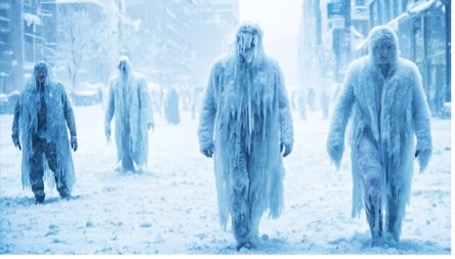
Snowstorms and the Anxiety They Bring
Snowstorms in Virginia are always a source of anxiety. When will roads get cleared so we can get back to work? What do we do with the kids until they go back to school when we still have to go to work? How do we feed and maintain the livestock?
This past weekend’s storm added a dimension of anxiety never before experienced. Electricity users in Shenandoah County, Page County, Frederick County, and the City of Winchester were told by their electrical provider that they might face power outages if they didn’t reduce their usage immediately. Yes, citizens of the Commonwealth of Virginia were being told they could lose their electricity during one of the coldest periods experienced in a decade—not a third-world country, but Virginia.
Virginia’s Energy Landscape
What is the cause of this issue? The Virginia Clean Economy Act of 2020 (VCEA). This act mandates that Virginia utilities transition to “clean energy” by 2045 and become net zero.
So, what are the real facts about Virginia’s current energy use?
The last electrical power plant built in Virginia was brought online in 2012.
Virginia’s electrical consumption is projected to increase by 20% in the next decade. This increase is mostly due to new data centers, an increase in electric vehicles, and requirements to convert from gas-fired equipment to electric.
Virginia is the 12th-largest producer of coal out of the 21 coal-producing states in the U.S.; however, over the past 20 years, Virginia has shifted its energy production from coal to other sources, including natural gas and nuclear, which now account for 85% of Virginia’s electrical production. It is important to note that Virginia imports natural gas, rather than using its own coal reserves.
Alternative sources account for only 11% of Virginia’s current electrical production, the majority of which comes from solar.
Even with all of this production, Virginia is still a net importer of electricity, relying on power from Pennsylvania, North Carolina, and West Virginia.
The Risks of Rushed Energy Policies
As the left—and unfortunately many misguided Republicans—rush fanatically to convert all forms of fossil fuel usage to alternative sources, there are some rather obvious fallacies in their plans.
Rather than working to build high-efficiency, low-emission (HELE) coal plants using coal mined right here in Virginia, we build natural gas plants that require importing gas from outside the state. Crushing regulation makes it nearly impossible to build new nuclear plants.
Virginia continues to shut down coal generation plants while relying more and more on imported electricity from other states. Much of this electricity is generated by older coal plants that are being kept online long past their useful life to maintain our electrical needs. Pennsylvania is even bringing the damaged reactor at Three Mile Island back online. This is like saying my car doesn’t pollute because I only drive it out of state.
The Limits of Alternative Energy
Virginia currently produces only 11% of its electrical needs from alternative sources, most of which is solar. As is currently being experienced in Germany, wintertime peak loads occur at night due to dropping temperatures after dark—precisely when solar panels are least productive, often producing zero output. In Germany, older, previously decommissioned coal plants are being brought back online to handle the high nighttime load. These plants must run 24/7 to maintain operation or risk damage from constant heating and cooling, leading to extremely high inefficiency and pollution.
To meet the goals of the VCEA, Virginia will need ten times more alternative-source output than it is currently producing, and this capacity will need to be in place within the next 19 years. Most alternative sources are subject to weather impacts. Solar generation does not produce at night and is severely restricted during cloudy weather. Solar panels can be destroyed by hailstorms. Large solar farms also reduce land availability for food production, housing, and manufacturing. Offshore wind generation can actually reduce output during high-wind events and can be completely destroyed by coastal hurricanes and nor’easters—not to mention the damage to migratory ocean life and waterfowl.
Building a Reliable Energy Future
Now that we are seeing the real-world impacts of the VCEA in the form of potential widespread outages during severe weather—outages that will only increase over time—it is time to get serious about Virginia’s energy needs. It is time to move beyond touchy-feely environmental restrictions. What happens in the summertime, when Virginia’s electrical load is actually higher than during this current cold period? As usual, the people most impacted are those with the least voice in politics: the elderly, the young, and the infirm.
We must get serious about building an electrical grid that can meet the current and future needs of Virginians—one that is safe, reliable, and expandable, so Virginia can grow its employment base and maintain a robust economy free from crushing regulations and idealistic, pie-in-the-sky fantasy requirements.
NEWSLETTER SIGNUP
Subscribe to our newsletter! Get updates on all the latest news in Virginia.