
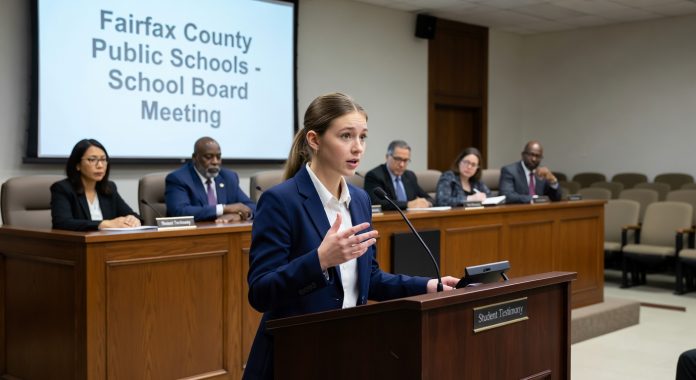
According to the student’s remarks, attachments to stuffed animals develop gradually over years, but smartphones forge similar yet more intense dependencies almost immediately due to their constant presence. Integrated into school activities, daily routines, and bedtime habits, phones become central to a child’s life, normalizing what the speaker described as an unhealthy reliance. The testimony highlighted disruptions to sleep, academic performance, and social interactions as key concerns.
The student further explained that introducing smartphones during early years shapes a child’s initial experiences in profound ways, often to their detriment. Peers without phones report feeling left out and anxious, with conversations increasingly dominated by digital topics. This dynamic, the speaker argued, stems from humans’ innate desire for conformity, amplified in an age of normalized smartphone use among youth.
The presentation occurred in the context of recent Fairfax County Public Schools actions. On April 29, 2026, the school board voted to promote the Wait Until 8th initiative, urging parents to join the voluntary pledge but clarifying it carries no mandatory force. This move aligns with a national movement launched years earlier, aimed at mitigating potential harms from premature smartphone adoption.
The Fairfax County School Board, serving the county’s public schools, includes Chair Sandy Anderson, Karl Frisch representing Providence District, Melanie Meren of Hunter Mill, Rachna Sizemore Heizer of Braddock District, Mateo Dunne of Mount Vernon, Seema Dixit of Sully District, Kyle McDaniel, and members from the other districts: Algonkian, Dranesville, Lee, Mason, and Springfield. The board oversees one of Virginia’s largest districts, navigating issues from enrollment trends to curriculum policies.
The student’s testimony emphasized practical implications: phones intrude on sleep with notifications, fragment attention in classrooms, and alter social hierarchies through exclusionary digital groups. By advocating a delay until eighth grade—typically around age 13—the speaker proposed preserving a smartphone-free period for building real-world skills and resilience.
Public discourse on youth smartphone use has intensified, with Fairfax’s endorsement reflecting broader debates. Proponents cite benefits like reduced anxiety and improved focus, while noting phones’ utility for emergencies remains available via alternatives. The pledge has gained traction in various communities, including recent Lafayette efforts, as parents weigh technology’s double-edged role.
During the meeting, the student urged board members and attendees to support cultural shifts away from early device gifting. The Wait Until 8th campaign, originating from parental initiatives, has spread through pledges and awareness efforts, positioning Fairfax as a local leader in the conversation.
Observers note the testimony’s role in highlighting student perspectives amid policy discussions. Fairfax County Public Schools faces ongoing challenges, including administrative salaries and performance metrics, but this initiative focuses on preventive wellness. The board’s non-binding encouragement underscores reliance on voluntary family decisions.
The student’s points on attachment formation, conformity pressures, and experiential impacts provide a firsthand account from within the system. As Fairfax County—home to over 180,000 students—continues addressing digital wellbeing, such voices contribute to informed deliberations.
This development follows reports of the board’s internal matters and budget concerns, yet the smartphone delay effort stands as a proactive step. Further engagement from parents and educators will determine its reach.
Source: Field reports and eyewitness accounts.