
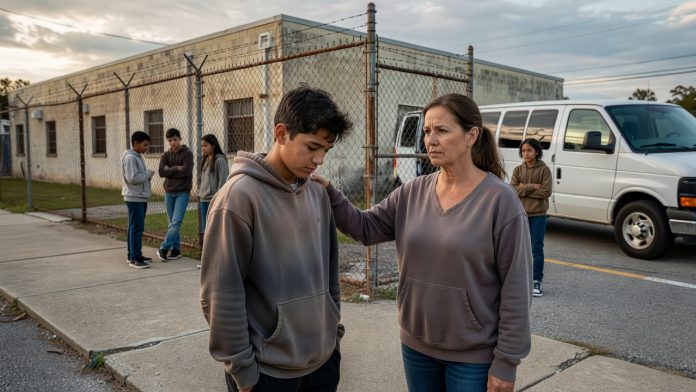
Hampton Roads communities are confronting challenges in their youth detention services as juveniles are sent to facilities outside their immediate areas. The practice stems from limitations in local capacity that force reliance on distant options. Keeping youth connected to home environments has been identified as important for their overall development.
Presentations on the topic outline specific infrastructure plans at the Bon Air campus to increase available beds. These include renovations to a standalone facility for vocational work programs and upgrades to existing cottages for better housing flexibility. Treatment spaces are also targeted for improvements to support resident needs.
Virginia Beach has faced particular difficulties in maintaining dedicated local resources for detention. The shift to external placements has raised questions about the long-term effects on youth who benefit from proximity to family networks. State-level efforts continue to focus on facility enhancements to alleviate these pressures.
The current approach involves balancing immediate capacity shortages with goals for improved conditions. Renovations at Bon Air aim to provide more options for classification and programming that could reduce the need for distant transfers. Local stakeholders monitor these developments closely as part of ongoing regional discussions.
Developmental considerations remain central to evaluations of the detention system. Proximity to home communities allows for greater continuity in education and support services that influence outcomes. Officials continue to assess how infrastructure changes might address the root capacity issues driving transfers.
Broader reforms in Virginia have sought to expand treatment capabilities across state facilities. The focus on vocational elements and living condition upgrades reflects efforts to create more effective environments. Hampton Roads leaders track these initiatives to determine their impact on local youth populations.