
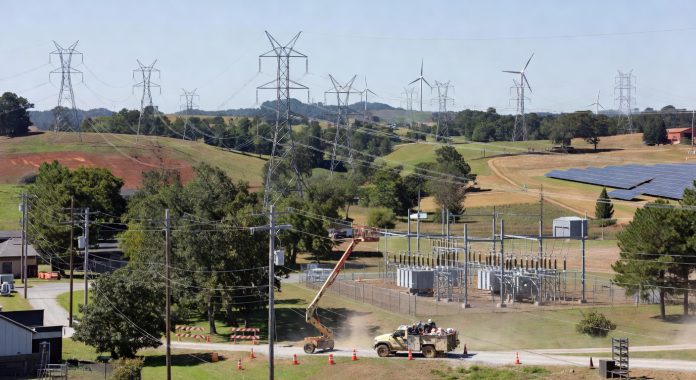
The Virginia House of Delegates has moved forward with House Bill 114, a measure that seeks to enhance the management of the state’s electric utility system through detailed study. Sponsored by Delegate Lee Ware, the bill received unanimous approval on February 2, 2026, passing by a vote of 99 to 0. This action highlights the legislature’s interest in exploring ways to improve energy infrastructure without immediate resort to new construction.
House Bill 114 directs the Department of Energy and the State Corporation Commission to conduct a comprehensive analysis of the existing electric utility infrastructure. The focus of this analysis is to identify cost-saving opportunities capable of improving or preserving the reliability of the electric system. These opportunities are to be considered as alternatives or supplements to greenfield infrastructure projects, which involve the development of new energy facilities on undeveloped sites.
After clearing the House, the bill advanced to the Senate. On March 6, 2026, the Senate Committee on Finance and Appropriations voted to continue the legislation to the next session. This step provides additional time for review and potential modifications.
A fiscal impact statement regarding the bill was issued by the Department of Planning and Budget on February 25, 2026. This statement offers insight into the budgetary considerations associated with the mandated study and report preparation.
The bill stipulates that the analysis must be completed and a report submitted to the General Assembly by July 1, 2027. This deadline allows the involved agencies to perform thorough research and prepare recommendations that prioritize efficiency in the use of current infrastructure assets.
The provisions of the bill emphasize the benefits of optimizing existing resources to achieve better cost outcomes and sustained reliability. By examining the current state of electric utilities, the study aims to uncover methods for enhancing performance through targeted improvements rather than relying exclusively on expansive new projects.
Supporters of the legislation in the House noted the potential for significant long-term advantages in terms of reduced costs for ratepayers and maintained grid stability. The report due in 2027 will provide detailed findings that can guide subsequent policy and investment decisions in the energy sector.
The collaboration required between the Department of Energy and the State Corporation Commission ensures a multifaceted perspective on the challenges and opportunities within Virginia’s electric infrastructure. Their analysis will cover various aspects of the system, including transmission, distribution, and generation components currently in service.
This approach to infrastructure planning promotes responsible stewardship of public and ratepayer funds by seeking out efficiencies in what is already built. The identification of cost-saving measures that support reliability represents a forward-thinking strategy for addressing energy needs in the commonwealth.
As the bill remains pending in the Senate for the next session, its progress will be monitored for any changes or additional requirements that may be incorporated. The original intent remains centered on producing actionable data through expert analysis.
The unanimous House passage of House Bill 114 indicates strong legislative backing for this initiative. It sets a precedent for using comprehensive studies to inform decisions on whether to pursue greenfield developments or to first maximize the potential of existing infrastructure.
In preparing the report, the agencies are expected to consider a wide range of factors that contribute to cost savings and reliability improvements. This could lead to recommendations for upgrades, maintenance strategies, or operational changes that yield tangible benefits.
The legislation does not impose immediate requirements for infrastructure changes but instead lays the groundwork for informed future actions based on the analysis results. This measured approach allows for careful consideration of all options available to Virginia’s electric utility operators.
With the report deadline set for July 2027, the process will unfold over the coming year and a half, culminating in a document that lawmakers can reference when addressing energy policy matters. The emphasis on alternatives to greenfield projects encourages innovation in the use of current assets to meet growing demands.
Overall, House Bill 114 embodies a commitment to thorough evaluation and strategic planning in the realm of electric utilities. By focusing on cost-saving opportunities that enhance reliability, the bill positions Virginia to make prudent choices regarding its energy future. The continuation in the Senate committee reflects the importance of this topic and the need for continued deliberation before final enactment.
To ensure the study is effective, the bill provides the necessary authority for the Department of Energy and the State Corporation Commission to gather information and collaborate effectively. The resulting report will be a key resource for understanding how existing infrastructure can be leveraged more effectively.
Legislators across the state will await the outcomes of this analysis with interest, as it has the potential to influence utility rates and service quality for years ahead. The bill’s journey through the legislative process, from introduction to House passage and Senate continuation, demonstrates the careful consideration given to energy infrastructure issues.
In summary, the passage and ongoing consideration of House Bill 114 mark an important development in Virginia’s approach to electric utility management. The required analysis and report will provide critical information on cost-saving strategies that support a reliable electric system as an alternative to new greenfield projects.