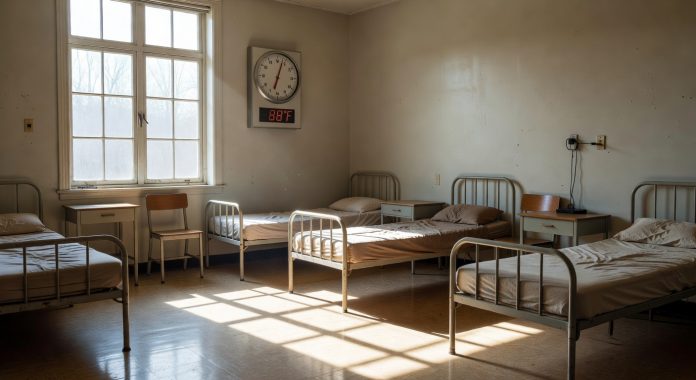
In the 2026 session of the Virginia House of Delegates, House Bill 81 was introduced to direct certain state agencies to amend their regulations pertaining to the maximum temperature at which certain rooms may be kept. The bill, sponsored by Delegate Marcia Price, specifically directs the Department of Social Services to amend its regulations on this topic. Upon introduction, the bill was referred to the House Committee on Health and Human Services for review. On February 5, 2026, the committee continued the bill to the next session, effectively halting further consideration during the current legislative session. This outcome means that the proposed changes to temperature regulations will not be implemented this year and may require reintroduction in a future session to advance.
The legislation aims to prompt a review of existing rules governing the highest temperatures allowed in certain rooms within facilities overseen by state agencies. The Department of Social Services regulates a variety of facilities, and the bill would require this agency to update its standards for temperature control in applicable rooms. This directive would set in motion a regulatory amendment process that involves public comment periods, agency analysis, and formal adoption of new rules. The continuation of the bill indicates that the committee members saw value in delaying action to allow for more thorough examination of the proposal.
Those who advocate for limited government involvement in business and service operations have expressed concerns about the bill’s potential effects. They point out that requiring state agencies to amend regulations on temperature would create additional layers of bureaucracy. This could lead to increased administrative workloads for agency staff who must research, draft, and implement new rules. Furthermore, any changes to the maximum temperature standards could necessitate upgrades or adjustments in the facilities subject to these regulations. Facilities regulated by the Department of Social Services might need to invest in better cooling equipment or maintenance to comply with revised standards. These investments would likely increase the operational expenses for these providers. Higher costs for providers often translate to increased fees for the services they offer or greater reliance on state funding to cover the expenses. Taxpayers would ultimately bear the burden of any expanded state expenditures required to support the new regulations.
Advocates for fiscal responsibility argue that the state should focus on reducing regulatory burdens rather than adding new ones that could strain budgets. They note that current temperature regulations have been in place for some time and question the need for immediate amendments without clear evidence of widespread problems. The process of amending regulations also involves time and resources that could be directed toward other pressing issues facing the commonwealth. By continuing the bill, the committee has provided an opportunity for further review and potential refinement or withdrawal of the proposal. This approach aligns with a cautious approach to expanding government mandates on private and public entities. The bill’s status as continued reflects a decision to prioritize other matters during the 2026 session. As the legislative session progresses, it remains to be seen if similar proposals will be considered in future years or if the focus will shift to other areas of regulatory reform. The emphasis on limiting new regulatory requirements is a key consideration for those concerned with maintaining efficient government operations and protecting the economic viability of service providers across Virginia.