
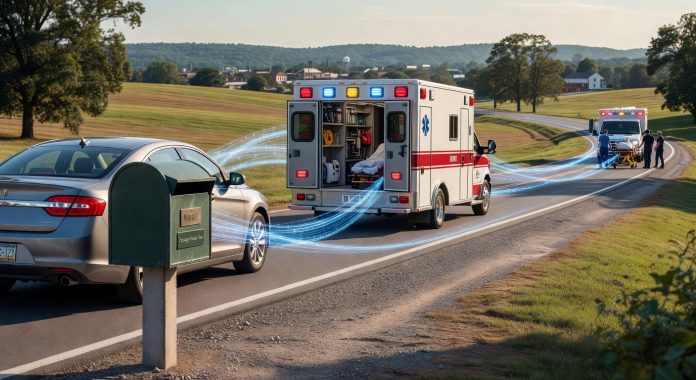
Virginia lawmakers have moved forward with a proposal to update how local communities can spend money collected from fees on certain types of vehicles. The legislation, known as House Bill 57, was introduced by Delegate Michael Feggans during the 2026 Regular Session of the Virginia General Assembly. This bill aims to amend section 46.2-694 of the Code of Virginia, which deals with registration fees for vehicles designed and used for the transportation of passengers.
The measure expands the allowed uses of funds that are returned to localities from these fees. Previously, the funds could be used only for buying necessary equipment and supplies for emergency medical services run by nonprofit agencies. The new provisions would permit localities to also spend the money on purchasing or maintaining facilities and vehicles that meet the standards set by the Office of Emergency Medical Services. In addition, the funds could cover other operating expenses that local officials decide are needed to keep emergency medical services running effectively in their areas through nonprofit providers.
This change would give cities, counties, and towns more options when it comes to supporting their emergency response teams. Nonprofit emergency medical services agencies are often the first line of defense in medical emergencies, and having access to funds for a wider range of needs could help them operate more smoothly. For example, they could upgrade their stations, repair or replace ambulances and other vehicles, or cover costs like training and supplies that go beyond basic purchases.
The bill was referred to the House Committee on Transportation after introduction. It successfully passed the House of Delegates and was sent over to the Senate. There, the Senate Finance and Appropriations Committee considered the legislation on February 25, 2026. The committee decided to continue the bill to the 2027 Regular Session, approving the continuation with a vote of 14 in favor and zero against.
By broadening the categories of spending, the proposal seeks to strengthen local emergency medical services by utilizing existing revenue from vehicle fees. Localities would be able to direct existing revenue toward comprehensive support for their nonprofit partners in emergency care. This could include everything from building or fixing facilities used for emergency operations to ensuring that vehicles are properly maintained to meet regulatory requirements.
Supporters note that this kind of flexibility allows communities to respond to their specific circumstances. Some areas might need better facilities for housing equipment, while others might prioritize keeping their fleet of vehicles in top condition or covering the costs of ongoing operations. The bill keeps the focus squarely on nonprofit emergency medical services agencies, ensuring that the funds continue to serve their original purpose of aiding community-based responders.
The continuation in the Senate means that the bill will be revisited in the next session, giving legislators and stakeholders more time to evaluate its potential effects. In the meantime, the House passage represents a step toward providing localities with tools to enhance their emergency preparedness and response capabilities using resources already available from vehicle fees.
The provisions in House Bill 57 build on the existing system of returning portions of fees from passenger transportation vehicles to the localities they pass through or serve. This system recognizes the impact these vehicles have on local infrastructure and public safety needs. Expanding the uses ensures that the returned funds can address a fuller spectrum of requirements for emergency medical services.
Local governments across Virginia rely on these funds to supplement their budgets for critical services. With the expanded permissions, they could more effectively allocate money to areas like facility improvements, vehicle maintenance, and operational support, all aimed at delivering reliable emergency care. Nonprofit agencies, which depend on a mix of donations, grants, and local support, would gain from this additional avenue of assistance.
As the legislative process unfolds, the focus remains on how such updates can contribute to safer communities by bolstering the resources available for medical emergencies. The bill’s emphasis on local decision-making in determining necessary expenses highlights the value placed on community input in public safety matters.