
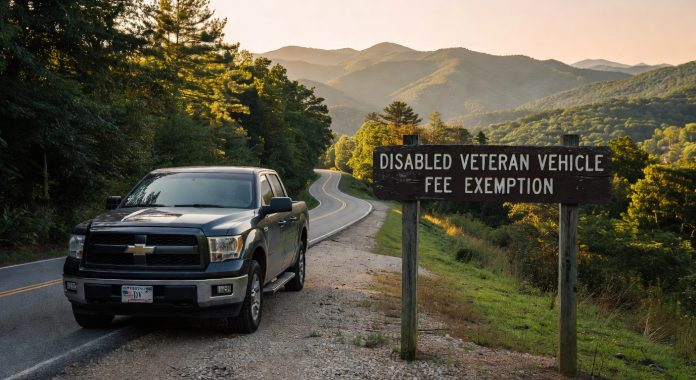
Virginia has taken a significant step in supporting its disabled veterans by enacting legislation that expands access to vehicle registration fee exemptions. House Bill 94, part of the 2026 Regular Session, amends section 46.2-739 of the Code of Virginia to include vehicles with standard passenger license plates in the exemption previously reserved for special disabled veteran plates. The measure, sponsored by Delegate Elizabeth Bennett-Parker, received approval from the governor on March 31, 2026, and is set to take effect on July 1, 2026, as Chapter 39 of the Acts of Assembly.
The core change in the bill allows eligible disabled veterans or their unremarried surviving spouses to qualify for the annual fee waiver on one personally owned and used motor vehicle even if it displays a standard passenger plate. This update addresses a previous limitation that required the use of special license plates to access the benefit. By incorporating standard plates into the eligibility criteria, the law provides greater flexibility for veterans who may not wish to obtain or display the special plates for personal or practical reasons.
To claim the exemption, individuals must furnish certification confirming their service-connected disability. This documentation typically comes from the Department of Veterans Affairs or an equivalent authority, ensuring that only those with verified disabilities receive the relief. The requirement maintains the integrity of the benefit while making it available under broader plate options.
The legislative journey of House Bill 94 began with its introduction at the start of the session. It passed the House of Delegates on January 2, 2026, and the Senate on February 4, 2026. Committee work in the Transportation Committee included amendments that refined the bill’s language. These amendments specified that the exemption applies to a vehicle displaying the Department’s standard passenger license plate, clarifying the exact scope of the new provision.
Such clarifications were necessary to align the bill with the Department of Motor Vehicles’ practices for issuing standard plates. The amendments were reviewed in both subcommittee and full committee sessions before the bill advanced to the floor for votes in each chamber.
This expansion of the exemption is expected to benefit many disabled veterans in Virginia by reducing the administrative hurdles associated with changing license plates. Veterans who have already registered their vehicles with standard plates can now apply for the fee waiver without needing to switch to special plates. This practical approach respects the preferences of veterans while delivering the financial relief they deserve for their service to the country.
The fee exemption itself provides ongoing savings on vehicle ownership costs. Annual registration fees vary based on vehicle weight and other factors, but the waiver eliminates this recurring expense for one qualifying vehicle. For unremarried surviving spouses, the benefit extends support to family members who have endured the loss of a service member due to disabilities incurred in the line of duty.
The governor’s action on March 31, 2026, completed the legislative process for this bill. With the effective date set for July 1, 2026, the Department of Motor Vehicles has time to prepare necessary updates to its systems and inform eligible veterans about the new rules. Guidance on the application process, including required documents, will be issued by the department in advance of the implementation date.
Virginia’s veteran population stands to gain from this update to the Code of Virginia. The previous exemption for special plates has been enhanced to accommodate modern registration practices, where many individuals opt for standard plates. The bill ensures that the choice of plate does not determine access to the fee relief.
The bill maintains the one-vehicle limit per qualifying person, focusing the benefit on personal use vehicles. This targeted approach ensures that the resources are directed appropriately while expanding the ways in which veterans can access the relief.
As the 2026 session concluded its work on this item, the focus turned to the practical rollout of the new law. The Department of Motor Vehicles will play a key role in administering the exemption under the amended section 46.2-739. Veterans are advised to gather their disability certification and prepare to contact the department for details on how to apply once the law takes effect.
The passage and signing of House Bill 94 represent a positive development for veteran support in the commonwealth. By updating the law to include standard passenger plates, the legislature has made the existing benefit more accessible and user-friendly. This change reflects an understanding of the diverse needs and preferences of Virginia’s disabled veterans.
The unremarried surviving spouse provision remains an important part of the legislation, ensuring continued support for families affected by service-connected disabilities. This aspect broadens the impact of the bill beyond individual veterans to their immediate families.
Overall, the legislation provides a streamlined path for qualifying individuals to receive the registration fee exemption without the previous requirement for special plates. The amendments made during the committee process helped perfect the bill’s language to achieve this goal effectively.
With the law now in place, anticipation builds for its implementation in July 2026. The Department of Motor Vehicles is expected to offer clear instructions to help veterans navigate the updated process smoothly.
This bill from the 2026 Virginia House of Delegates session underscores the ongoing efforts to support those who have served in the military by adjusting policies to better fit their circumstances. The extension of the exemption to standard plates is a direct response to the realities of vehicle registration today.































