
The Prince William County Board of County Supervisors recently advanced significant community investments aimed at improving local infrastructure and residential support systems. The latest fiscal directives include a combined $25 million allocation specifically targeting affordable housing and public recreational facilities. This funding breaks down into a $5 million contribution to the Affordable Housing reserve fund and a $20 million capital investment increase for the Parks and Recreation Department. These targeted financial maneuvers are designed to address the immediate and long-term needs of a rapidly growing population in Northern Virginia.
The current Prince William County Board of County Supervisors includes Chair Deshundra Jefferson, Victor Angry, Andrea Bailey, Kenny Boddye, Margaret Franklin, Tom Smith, Yesli Vega, and Bob Weir. This governing body is tasked with balancing continuous community growth with strict fiscal responsibility and long-term strategic planning. Their recent budget decisions highlight a focused approach to expanding local infrastructure while ensuring housing availability remains a top priority. By directing funds into these specific reserves and capital projects, the board aims to foster sustainable development across all magisterial districts.
Boosting Affordable Housing Reserves
The $5 million contribution to the Affordable Housing reserve fund represents a major step in the county’s strategy to combat rising living costs. This specific financial addition brings the total investments in the reserve fund to $21 million spanning from fiscal year 2024 to fiscal year 2027. This long-term financial commitment aligns perfectly with the broader strategic goals of the county to support the development of affordable housing across the community. By steadily increasing these reserves, local leaders aim to address the growing demand for accessible housing options in the highly competitive Northern Virginia real estate market.
The Board of County Supervisors justified this substantial spending under the strategic framework of quality of life and smart growth. Maintaining a robust reserve fund allows the county to effectively leverage future state and federal grants for comprehensive housing development. Housing affordability remains a pressing issue for many residents, prompting local government officials to prioritize this type of long-term financial planning. Ultimately, these reserved funds will facilitate the construction and preservation of vital housing units for low-to-moderate-income families throughout the region.
Expanding Parks and Recreation Infrastructure
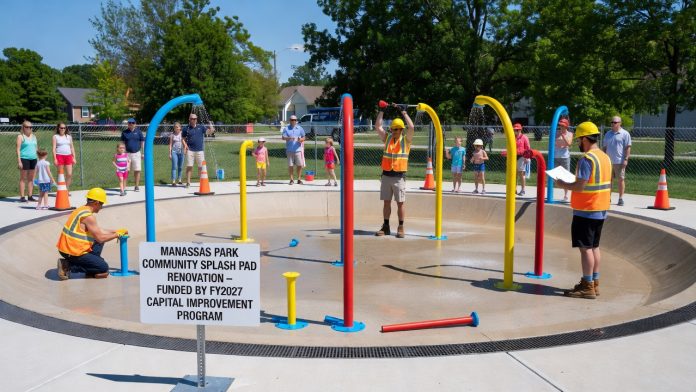
In addition to the critical housing investments, the county approved a $20 million capital investment increase for the Parks and Recreation Department. This substantial funding represents a direct capital investment increase compared to the previous fiscal year’s baseline budget constraints. The financial injection is explicitly designed to enhance existing parks and expand access to diverse recreational amenities throughout the jurisdiction. Residents can expect to see tangible improvements in local infrastructure, including the construction of new trails, modern playgrounds, and upgraded community spaces.
A notable beneficiary of this capital increase is the future Charlie Boone Memorial Park, which will be located on Old Bridge Road. This specific project has been highly anticipated by local residents seeking expanded outdoor recreational opportunities in the eastern part of the county. An Occoquan District official publicly expressed pride in these targeted community investments during recent budget discussions and community updates. The official specifically highlighted the $20 million increase for parks projects and the inclusion of the Charlie Boone Memorial Park as key victories for the district.
Strategic Vision and Community Impact
The combined investments reflect a concerted effort by the county to manage its rapid population growth through strategic and thoughtful urban planning. By categorizing these significant expenditures under smart growth initiatives, the board acknowledges the dual need for residential development and preserved green spaces. Balancing increased housing density with highly accessible recreational facilities is widely considered a standard best practice in modern municipal planning. These specific fiscal decisions will undoubtedly shape the physical landscape and livability of Prince William County for many years to come.
Funding public amenities like comprehensive trail networks and inclusive playgrounds directly contributes to public health and overall community well-being. Expanding the trail network encourages active transportation and provides safe, scenic corridors for pedestrians and cyclists navigating the county. Furthermore, modernizing community spaces ensures that residents have adequate and safe facilities for civic engagement, youth programs, and social gatherings. The long-term success of these ambitious initiatives will depend heavily on efficient project management and transparent execution by the respective county departments.
Future Fiscal Outlook
As the current fiscal year progresses, the Parks and Recreation Department will begin rolling out detailed project timelines for the newly funded upgrades. Simultaneously, the Affordable Housing reserve fund will continue to accumulate necessary capital, perfectly positioning the county for future housing acquisitions and public-private partnerships. Residents will have the ongoing opportunity to monitor the progress of these investments through public board meetings, departmental reports, and community outreach sessions. Ultimately, these multimillion-dollar allocations signify a major, concrete commitment to enhancing the foundational infrastructure and quality of life in Prince William County.