
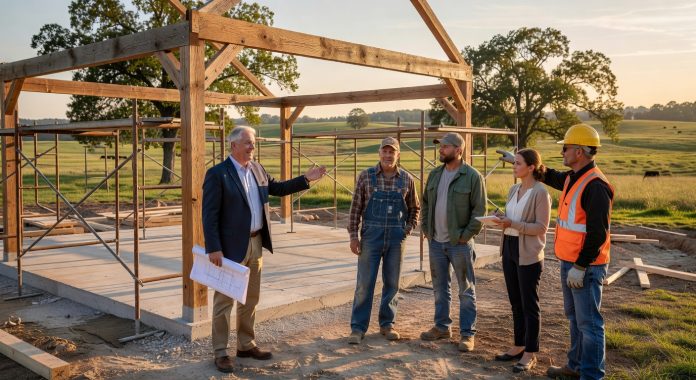
Rural zoning in Loudoun County is designed to promote and protect agricultural land use. Essential structures like barns support daily farm activities, including crop storage and animal care. Under the former rules, however, farmers encountered barriers if prior activities on the property conflicted with zoning classifications, preventing rebuilds despite clear natural disaster origins. Board discussions highlighted how these provisions had been misinterpreted or overly strictly applied, leading to unnecessary hardships.
The amendments clarify allowable reconstructions, ensuring that qualifying agricultural buildings can be restored without protracted appeals. This adjustment aligns with the zoning code’s intent to maintain productive farmland amid growing development pressures in the region. Loudoun County, known for its mix of suburban expansion and preserved rural areas, balances these interests through policies like farmland preservation programs.
The decision follows public input and staff recommendations, reflecting ongoing efforts to refine land-use regulations. Agricultural stakeholders noted that quicker rebuilds reduce financial losses and operational disruptions. For instance, a destroyed barn could halt livestock management or equipment use, affecting income during critical seasons. The new rules provide a clearer pathway, potentially involving streamlined permits for compliant structures.
County officials emphasized that the changes do not alter core zoning protections but eliminate inadvertent disincentives for farming continuity. This is vital in Loudoun, where agriculture contributes to the local economy and cultural landscape. Farms participate in agritourism, direct sales, and conservation easements, all reliant on functional infrastructure.
Implementation details include guidance for property owners on eligibility, with staff available for consultations. The board anticipates minimal administrative burden, as the focus remains on verifying agricultural use and disaster-related damage. Monitoring will assess effectiveness, with possible future tweaks based on outcomes.
Broader context includes Virginia’s emphasis on agricultural viability, supported by state programs for disaster recovery. Loudoun’s actions complement these, enhancing resilience against weather events. Data from county planning shows thousands of acres in agricultural zoning, underscoring the scale of potential beneficiaries.
Reactions from the farming community have been positive, viewing the updates as practical support. Real estate and development sectors also note improved clarity for rural properties. The board’s vote demonstrates responsiveness to local needs, fostering sustainable land use.
As Loudoun navigates growth, such targeted zoning reforms help preserve agricultural assets while accommodating change. The full ordinance text and application processes are available on the county website, with workshops planned for education.
Source: Field reports and eyewitness accounts.