
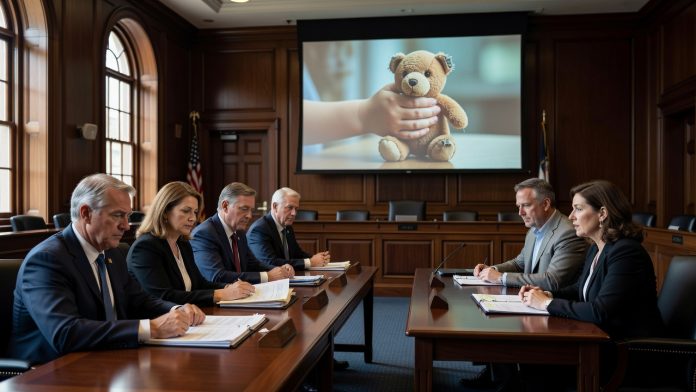
The Virginia Senate is conducting an examination of juvenile abuse cases throughout the state. This review focuses on the handling of disclosures made by children who have experienced abuse. The process involves assessing how initial responses influence subsequent outcomes for victims. Investigators play a key role in shaping the direction of these sensitive matters. Effective preparation helps maintain the integrity of the overall response system.
Child abuse situations require coordinated efforts beyond individual good intentions. Systems must be designed to support collaborative and accurate interactions with young survivors. Children’s Advocacy Centers offer specialized environments for conducting these interviews. Multidisciplinary teams contribute by bringing together professionals from relevant fields. This structure aims to ensure that responses address safety, healing, and investigative needs appropriately.
The Senate probe serves to highlight existing practices in the state. Training for those who interview child survivors is presented as a necessary component of effective case management. Without adequate preparation, responses may not fully support the child’s needs or the investigation. Children’s Advocacy Centers provide resources and models for proper handling of disclosures. Their presence in Virginia supports efforts to improve consistency across cases.
State officials continue to evaluate the effectiveness of current protocols in juvenile abuse matters. The focus remains on developing responses that are both methodical and supportive. Multidisciplinary teams assist in creating a unified approach to each situation. Training initiatives help investigators navigate the complexities of child disclosures. This work contributes to broader goals of child protection within the commonwealth.
Virginia maintains a network of resources dedicated to addressing juvenile abuse. The Senate examination underscores the value of structured training programs for professionals. Children’s Advocacy Centers facilitate the use of evidence-informed techniques in interviews. Collaborative models through multidisciplinary teams enhance the quality of responses. Such measures support the overall objective of achieving appropriate resolutions for affected children.
The ongoing review by the Senate draws attention to the need for continuous improvement in these areas. Proper training equips investigators to handle disclosures in a manner that prioritizes the child’s perspective. Children’s Advocacy Centers serve as central points for coordinating these efforts. Multidisciplinary teams ensure that multiple perspectives inform the response process. This framework helps maintain focus on both immediate and long-term considerations for survivors.