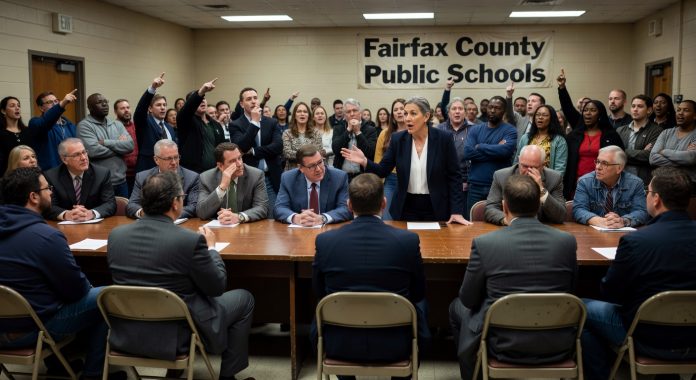
Hunter Mill District’s Melanie Meren voiced strong reservations, noting past instances where motions passed without full review but insisting she required a complete view before voting. ‘We’ve had motions voted,’ she said, adding, ‘until I see it… that is part of this process.’ Meren argued that proper presentation to the board enables informed decision-making, a stance that prompted further dialogue.
Mason District’s Ricardy Anderson followed, inquiring if the calendar accounted for proposed changes. ‘I think Mr. was inclusive of the changes,’ she remarked, while seeking confirmation on specifics such as time adjustments. Another participant raised questions about ensuring the calendar reflected all amendments, expressing a desire for certainty ahead of the vote.
Hesitation surfaced regarding a calendar potentially subject to last-minute alterations. One member pondered changes made that evening and their formal recognition, questioning if delaying until the next meeting might address lingering issues. In response, Kyle McDaniel advocated for resolution, stating there was no compelling reason for postponement and emphasizing the need to ‘get this done’ amid ongoing consternation.
The exchange highlighted procedural norms in calendar approval, critical for coordinating the school year across Fairfax County Public Schools, which educates approximately 188,000 students. Calendars dictate holidays, professional development days, and instructional time, influencing families countywide.
This debate follows recent board actions, including an April 9 vote altering holidays—eliminating Veterans Day while keeping Indigenous Peoples’ Day—and an 8-3 approval of district boundary changes. Parents have submitted thousands of messages advocating for expanded five-day weeks, reflecting input on scheduling. The board also addressed policies on AI misuse, such as deepfake images, underscoring multifaceted challenges.
Fairfax County’s board structure features 12 members representing districts and at-large seats, elected to oversee budgeting, policy, and operations. Meetings like this one, held publicly, allow member input and public comment, though the focus here remained internal.
No final vote outcome from this segment is detailed, but the friction underscores the stakes in educational planning. Board members navigated questions of timing, completeness, and consensus, balancing urgency with thoroughness. Ongoing calendar refinements respond to stakeholder feedback, including parental demands for structure post-pandemic.
As Fairfax County navigates these decisions, the board’s composition—Anderson, Anderson, Meren, Lady, Dixit, Dannan, St. John-Cunning, Dunne, Frisch, McDaniel, McElveen, and Moon—continues to shape policies for one of Virginia’s premier districts. Future sessions may clarify the calendar’s status and resolution of raised concerns.
Source: Field reports and eyewitness accounts.