
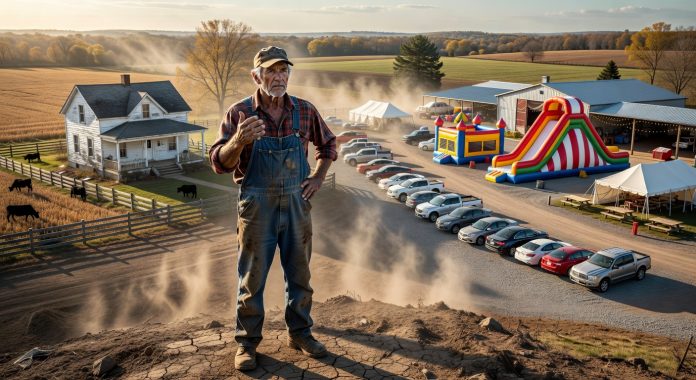
Rockland Farm’s history traces back over 200 years within the Rust and Brown-Devlin family lineage, including figures like Elizabeth Devlin. The site has weathered regional changes, such as legal issues surrounding White’s Ferry operations that halted service in 2020. Since launching his farm in 2020, Devlin has engaged with networks of seasoned Loudoun farmers committed to upholding rural land amid growing pressures.
Agritourism in Loudoun encompasses activities like farm tours, accommodations, and events, permitted under zoning as secondary to primary agricultural functions. This model supports farm economics in a high-cost area but raises questions about its scale and effects. Devlin describes difficulties in sustaining rural land while countering efforts he views as undermining farmers’ needs, particularly in Western Loudoun designations.
The county’s unique position – with rapid eastern growth from technology hubs contrasting western farmlands – amplifies these dynamics. Policies like the Transition Policy Area seek to buffer rural zones, yet agrotourism’s expansion prompts debate on enforcement. Proponents highlight revenue diversification aiding farm viability; detractors cite increased traffic, environmental strain, and shift from production to hospitality.
Devlin’s comments emerge amid ongoing discussions on land use balance. Local farmer collaborations emphasize practical hurdles in preserving agricultural viability against accessory uses that proliferate. Historical context, including Rockland Farm’s role in Potomac River access disputes, illustrates property tensions in the region.
County officials have navigated similar issues, with zoning ordinances defining agrotourism limits such as event caps and traffic management. Data from recent years shows agritourism contributing significantly to local GDP, yet surveys indicate resident concerns over rural character erosion. Devlin’s involvement since 2020 positions him within this dialogue, advocating for measures ensuring land serves core farming purposes.
Broader implications involve economic pressures on small operations. Loudoun’s agricultural output, including crops and livestock, faces competition from high-value uses. Studies note agrotourism’s role in retention but warn of over-reliance risking farmland loss. Devlin’s perspective adds to calls for refined regulations distinguishing genuine agriculture from tourism-heavy models.
As Loudoun evolves, reconciling growth with preservation remains key. Farmer networks like those Devlin joins provide vital input, fostering sustainable practices. The county’s rural economy depends on adaptive yet protective policies, ensuring legacies like Rockland Farm endure.
This issue reflects national trends where agritourism bolsters rural incomes but sparks preservation debates. Devlin’s voice contributes to informed policymaking, highlighting trade-offs in land stewardship.
Source: Field reports and eyewitness accounts.