
RICHMOND, Va. — The Republican Party of Virginia’s State Central Committee has voted to take no official position on three constitutional amendments that will appear on the November 2026 general election ballot. The decision has drawn criticism from within the party, including from Delegate Karen Hamilton, who argues it conflicts with the party’s platform and the stances taken by most Republican legislators.
The three amendments, advanced by the Democratic-controlled General Assembly and approved in both 2025 and 2026 sessions, address reproductive rights, marriage definitions, and voting rights restoration for individuals with felony convictions. They require voter approval to alter the Virginia Constitution.
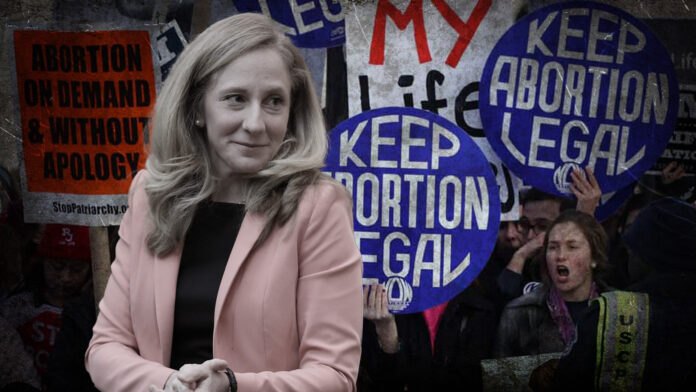
The Virginia Right to Reproductive Freedom Amendment would protect the right to make decisions about prenatal care, childbirth, postpartum care, birth control, abortion, miscarriage management, and fertility care. It would safeguard patients and providers from punishment for these decisions while permitting third-trimester abortions when the pregnancy is viable, except in cases where the patient’s health is at risk or the pregnancy cannot survive.
The amendment concerning marriage would repeal constitutional language stating that marriage is limited to one man and one woman and would require the state and localities to treat all marriages between two consenting adults equally under the law, regardless of sex, gender, or race.
The Voting Rights Restoration for Felons Upon Release Amendment would establish that individuals convicted of felonies lose voting rights only during incarceration. Rights would be automatically restored upon release, without requiring gubernatorial action. Virginia is one of the few states maintaining a system of individual rights restoration by the governor. Critics raise concerns about public safety and the integrity of the electorate.
During legislative debates, Republican lawmakers in the House and Senate largely opposed these measures, with votes showing strong partisan divides. The amendments passed despite this opposition.
Delegate Karen Hamilton publicly criticized the SCC’s neutrality. She stated that the decision contradicts the Republican Party of Virginia’s official creed, which calls for opposition to the amendments. Hamilton contrasted the committee’s stance with the near-unanimous Republican “no” votes in the General Assembly and described it as a failure to support the party’s values and elected representatives. She encouraged voters to question their local committee representatives and expressed her intention to actively campaign against all three proposals.
Party neutrality on ballot measures is not unprecedented, as organizations sometimes avoid taking positions to accommodate internal divisions or focus resources elsewhere. However, in this case, it has sparked debate among conservatives who expected unified resistance, particularly on issues like abortion and criminal justice policy that have historically energized the Republican base.
The amendments will be presented to voters with official explanations and ballot questions approved by the state. Campaigns on both sides are expected to intensify in the coming months, with advocacy groups from across the political spectrum mobilizing resources. Outcomes could have lasting implications for Virginia’s legal framework on reproductive policy, family law, and electoral participation.
As of late May 2026, no further official statements from the full Republican Party of Virginia leadership have clarified the rationale behind the SCC’s vote or indicated a potential reversal. The situation highlights ongoing tensions within the party between legislative priorities, grassroots expectations, and organizational strategy in a competitive statewide political environment.