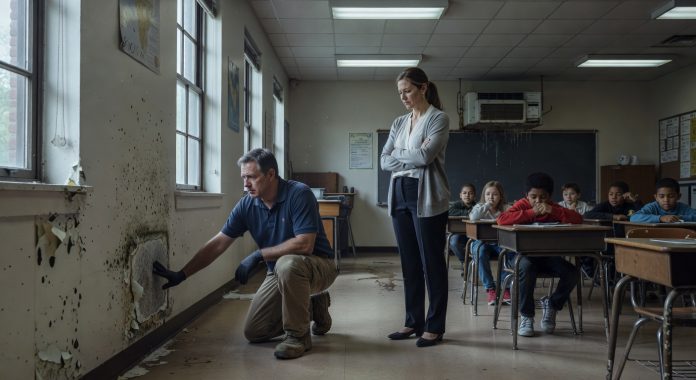
A notable case cited involves schools in Chesterfield County’s Douglas District. There, significant delays in HVAC maintenance reportedly resulted in the release of Legionella bacteria, the causative agent of Legionnaires’ disease, a potentially deadly pneumonia. Legionella proliferates in water droplets from cooling towers and ventilation systems when not regularly cleaned and disinfected. This incident serves as a recent example of how HVAC failures can extend risks beyond school walls, with exhaust systems potentially dispersing contaminants into surrounding areas.
Indoor air quality affects not only breathing comfort but also overall health, particularly for children spending hours in classrooms. Mold, thriving in damp, poorly ventilated spaces, triggers asthma exacerbations, allergies, and infections. HVAC systems, responsible for filtering air and regulating humidity, require consistent upkeep to prevent such issues. Experts note that routine testing and servicing can mitigate these dangers, yet resource constraints in many districts lead to backlogs.
Chesterfield County Public Schools, like many in Virginia, manage aging facilities amid growing enrollment and budget pressures. The district’s experience highlights the intersection of maintenance needs and community safety. School officials have stressed the importance of balanced funding, while parents advocate for prioritized investments in ventilation upgrades. Statewide, public schools face similar hurdles, with reports of HVAC strain during extreme weather and post-pandemic scrutiny on air filtration.
Durbin’s advocacy calls for enhanced testing protocols to verify safe conditions for students and staff. HVAC maintenance emerges as a key focus, given its role in both indoor purification and exhaust management. In Chesterfield, the Legionella release prompted community alerts, illustrating the ripple effects of systemic delays.
Virginia’s legislative bodies, including the House of Delegates and Senate, have addressed school infrastructure through various measures, though specific air quality mandates remain under discussion. Local boards play a pivotal role in implementation, balancing operational costs with safety imperatives. Ongoing dialogues between supervisors, school boards, and delegations aim to align priorities.
As awareness grows, stakeholders urge comprehensive audits and preventive strategies. Public meetings provide forums for residents to voice concerns, fostering transparency. While challenges persist, proactive steps—such as updated standards and funding allocations—could safeguard school environments. Monitoring developments in Chesterfield and beyond will be essential to assess responses and outcomes.
This issue reflects ongoing efforts to modernize public education facilities, ensuring they meet health guidelines amid evolving demands. Continued reporting will track progress on remediation and policy adjustments.
Source: Field reports and eyewitness accounts.
NEWSLETTER SIGNUP
Subscribe to our newsletter! Get updates on all the latest news in Virginia.