
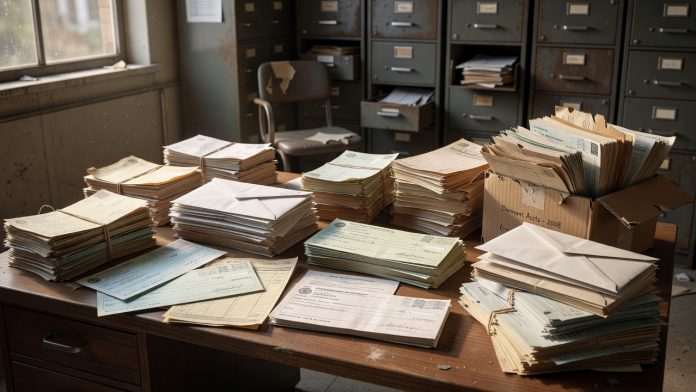
Unclaimed property consists of assets such as utility deposits and payroll or commission checks that remain inactive. Stocks mutual funds and dividends can also become unclaimed when owners do not claim them. Inactive bank accounts and customer deposits add to the list of potential holdings.
Refund checks and insurance proceeds represent further examples of items that may require claims. Customer overpayments and safe deposit box contents complete a broad spectrum of possibilities. These assets are reported by banks and other financial institutions when they go unclaimed.
Insurance companies utilities and corporations participate in the reporting process for unclaimed items. Government agencies partnerships and limited liability companies follow similar requirements. Non-profit organizations and trusts also contribute to the system of reporting.
The holding of such property occurs after periods of inactivity as defined by relevant regulations. Owners can search official databases to locate and recover their assets. This mechanism ensures that reported items are preserved until claimed.
Various entities including funeral homes maintain obligations to report unclaimed assets. The overall process involves multiple categories that span financial and personal items. Accurate records help facilitate the eventual return of property to rightful owners.