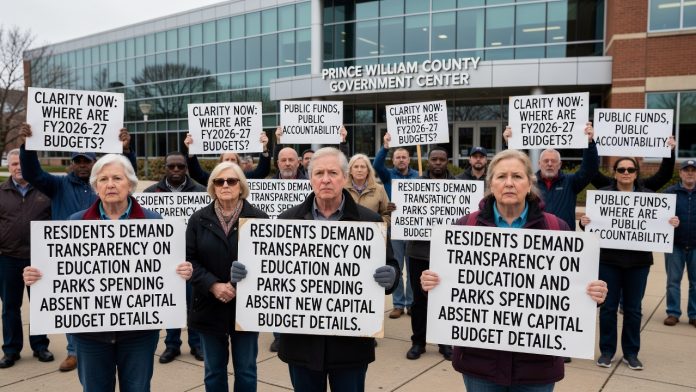
Prince William County has not proposed, deliberated, or adopted budgets for fiscal years 2026 or 2027. The most recent approved document remains the FY2025 operating and capital budget covering the period from July 1, 2024, through June 30, 2025. This document was adopted by the Board of County Supervisors in spring 2024. Residents have historically raised questions during public comment periods about spending priorities in education and parks.
Budget Adoption Process and Timeline
The county follows an annual process for adopting combined operating and capital budgets. Proposals are typically released in the spring, followed by public hearings and input from residents, the School Board, and county departments. Official sources confirm that no FY2026 materials have been made available as of the latest information. Residents are directed to monitor county websites for updates expected in spring 2025.
The adopted budgets archive includes documents through FY2025 only. This timeline means that detailed information on future capital projects is not currently accessible. Public meetings have recorded comments requesting earlier release of proposals and more line-item detail. Such requests reflect ongoing interest in how funds are allocated across major categories.
Education Spending Trends and Allocations
Education represents the largest expenditure category in Prince William County. In FY2025 the county contribution to Prince William County Public Schools totaled approximately 1.1 to 1.2 billion dollars in local share. The total PWCS budget exceeded 1.8 billion dollars when including state and federal funds. Historical data from FY2022 through FY2025 shows cumulative increases of 8 to 12 percent in local education funding.
These increases have been driven by enrollment growth to around 90,000 students, teacher salary adjustments, and capital projects. Per-pupil local spending rose from approximately 11,500 dollars to 12,800 dollars over that period. The FY2025 capital budget allocated 150 to 200 million dollars for school construction, renovations, and technology. Funding sources include bonds, cash, and proffers.
Education funding has accounted for 55 to 60 percent of the county general fund in recent years. This share exceeds levels in some neighboring jurisdictions. Property tax adjustments have helped offset rising costs. Residents have sought clearer breakdowns of these expenditures in past public forums.
Parks and Recreation Funding Details
Parks and recreation fall under the Department of Parks, Recreation and Tourism. The FY2025 allocation included 45 to 55 million dollars for operating expenses such as maintenance, programs, and staffing. An additional 20 to 30 million dollars supported capital projects including trail expansion and facility upgrades. Trends from FY2022 to FY2025 indicate modest growth of 5 to 7 percent overall.
These funds have focused on equity in underserved areas and meeting post-pandemic demand for outdoor amenities. Capital projects have included new athletic fields, playgrounds, and greenway connections. The department supports approximately 2 million annual visits, with fees offsetting 20 to 25 percent of costs. Parks represent less than 3 percent of the general fund yet remain visible to residents.
Capital Improvement Program and Transparency Concerns
The FY2025 capital improvement program spans several hundred million dollars over five to six years. Education and parks form major components alongside transportation and public safety. Funding sources include general obligation bonds, pay-as-you-go cash, state aid, and development proffers. No new capital plan details for FY2026 and beyond have been released.
Board meeting minutes document recurring resident comments on spending priorities and capital needs. These comments often request impact analyses and greater detail on project timelines. Comparisons with neighboring counties show varying release schedules for preliminary plans. The absence of current proposals means no data exists on proposed changes or debt service impacts.
Public records indicate that any discussions at present reflect anticipation of the next budget cycle. Residents seeking additional transparency are encouraged to participate during upcoming proposal and hearing periods. Official county sources remain the primary reference for adopted figures through FY2025.
Email the Board of Supervisors At:
Chair At-Large (Deshundra Jefferson) – djefferson@pwcgov.org,
Brentsville (Tom Gordy): tgordy@pwcgov.org,
Coles (Yesli Vega): yvega@pwcgov.org,
Occoquan (Kenny Boddye): kboddye@pwcgov.org,
Potomac (Andrea Bailey): abailey@pwcgov.org,
Woodbridge (Jeannie LaCroix): jlacroix@pwcgov.org,
General Board: bocs@pwcgov.org,