
Proponents argue that early smartphone introduction fosters addiction, comparable to other compulsive behaviors, impairing impulse control and daily functioning. Behavioral challenges manifest as increased irritability and reduced social skills, compounded by cyberbullying prevalent on social platforms. Sleep quality declines due to screen-emitted light interfering with circadian rhythms, resulting in fatigue that hampers learning. Mental health experts note correlations with heightened anxiety and depression among heavy users. Educationally, smartphones divert attention, contributing to distractions during instructional time.
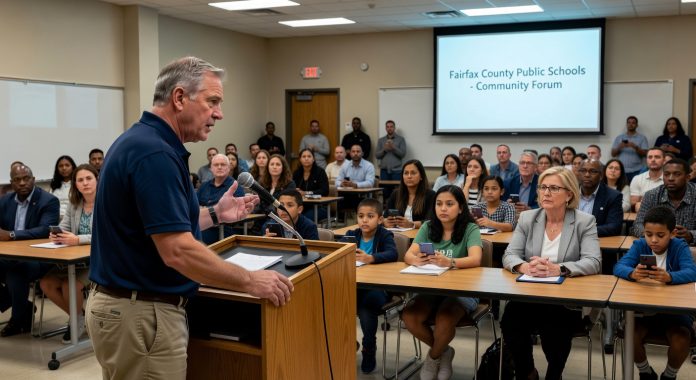
The conversation occurs amid Fairfax County Public Schools’ evolving cellphone policies. Recent board actions include a bell-to-bell prohibition, removing lunch-time exceptions, and prior pilots using magnetic pouches in middle and high schools to secure devices. Parents and students have voiced support for reduced screen exposure during school hours, citing benefits for concentration and interpersonal interactions.
Fairfax County School Board members—Chair Sandy Anderson (Springfield District), Ricardy Anderson (Mason District), Karl Frisch (Providence District), Melanie Meren (Hunter Mill District), Rachna Sizemore Heizer (Braddock District), Mateo Dunne (Mount Vernon District), Seema Dixit (Sully District), and others—have approved updates to student rights and responsibilities documents addressing device management. Community input at meetings has highlighted the need for guidelines extending beyond school grounds.
This local dialogue echoes national campaigns advocating smartphone delays until middle school completion, around age 13-14, to align with developmental readiness. Fairfax parents reference enrollment shifts, with over 6,800 students departing since 2015 and rising homeschooling statewide from 38,000 to 66,000. Academic metrics show challenges: 25 percent failure rates in reading, math, and science SOL tests, alongside 40 underperforming schools.
Advocates emphasize improved mental health outcomes, enhanced focus, and stronger peer relationships from reduced early exposure. School initiatives like pouch programs and bans aim to minimize disruptions, with reports of revived hallway conversations and playground activity. Ongoing parental campaigns seek clearer technology integration rules, balancing educational tools like Chromebooks with hands-on learning.
The debate reflects broader tensions in public education: technology’s role versus traditional methods. Fairfax County Public Schools maintains intentional device use for instruction, while families push for transparency and limits. Recent meetings featured student representatives noting impacts on exam preparation and speakers urging restraint on laptop overuse.
As Fairfax navigates these issues, the School Board’s decisions shape policy for 188,000 students. The push for 8th-grade delays positions the county at the forefront of addressing digital wellness, weighing evidence of harms against connectivity benefits. Outcomes could influence neighboring districts and state-level considerations on youth tech access.
Source: Field reports and eyewitness accounts.