
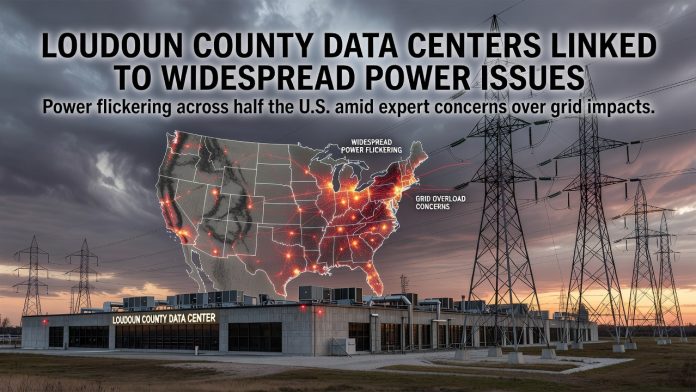
Loudoun County data centers have been associated with power flickering reported across approximately half the United States. A statement from experts describes the facilities as imposing a substantial load on the electrical grid. This load is said to carry the potential for detrimental effects on overall system performance.
Details of the Reported Connection
The linkage between the data centers and the flickering events forms the core of recent discussions. Power demands from these installations are noted for their scale and consistency. Such usage patterns can influence grid operations in connected regions. The situation illustrates the growing role of data infrastructure in energy consumption.
Experts have expressed worries regarding the ability of existing grids to handle concentrated high loads. Data centers operate continuously and require uninterrupted electricity supply. This operational reality contributes to the observed pressures on transmission and generation systems. Broader implications for reliability are under examination by industry observers.
Expert Perspectives on Grid Load
The quoted expert remark emphasizes the scale of the challenge presented by data center energy use. Large facilities draw power in volumes that exceed typical commercial or residential demands. This difference in scale leads to considerations about grid design and capacity planning. Ongoing monitoring helps track any resulting fluctuations in service quality.
Power systems across the country are designed with margins for variable demand. However, rapid growth in specific sectors can test those margins. The events tied to Loudoun County provide a case study in these dynamics. Analysis continues to assess contributing factors and potential mitigations.
Implications for Future Infrastructure
Data centers represent a key component of digital economy support. Their expansion in Loudoun County reflects broader trends in technology adoption. Balancing this growth with grid maintenance remains a focus for utilities and regulators. The reported flickering serves as an indicator of areas requiring attention.
Further study of load impacts can inform decisions on upgrades and resource allocation. The interconnected U.S. grid means localized demands may have wider reach. Stakeholders review data to understand patterns and develop responses. This process supports stable electricity delivery for all users.